
Our Program
Our Programs
Intensive professional development programs designed to equip the next generation of leaders across sectors with cutting-edge skills and AI integration.
Pharmacy Administration & Management
Modern pharmacy practice extends beyond dispensing to regulatory compliance, financial sustainability, patient safety, supply chain efficiency, and digital transformation. This program equips pharmacists and pharmacy managers with administrative, managerial, regulatory, and AI-enabled leadership skills.

Healthcare Entrepreneurship & Management
Healthcare is one of the fastest-growing sectors, yet one of the most complex to manage. This program equips participants with entrepreneurial mindset, management skills, and AI capabilities to start, scale, and sustainably manage healthcare ventures.
Healthcare Administration & Management
The Healthcare Administration and Management program equips students with the leadership, analytical, and operational skills to plan, coordinate, and manage healthcare services in diverse settings, such as pharmacies, clinics, hospitals, and insurance providers.
Educational Leadership & Management
Effective education systems require visionary leadership, strong management, accountability, and innovation. This program equips current and aspiring education leaders with strategic, operational, and AI-enabled leadership skills to lead schools and education systems.

Youth Entrepreneurship Management
Young entrepreneurs are driving innovation, job creation, and social change—but many lack structured entrepreneurial skills, leadership capacity, and access to modern digital tools. This program empowers youth to innovate confidently, launch viable ventures, and lead with purpose, while leveraging AI tools to compete in today’s fast-changing economy.
National SME Growth Accelerator
A high-impact executive program designed to help small and medium-sized enterprises transition from survival to structured growth, equipping SME leaders with practical tools to increase revenue, improve operational efficiency, access financing, and build scalable business structures.
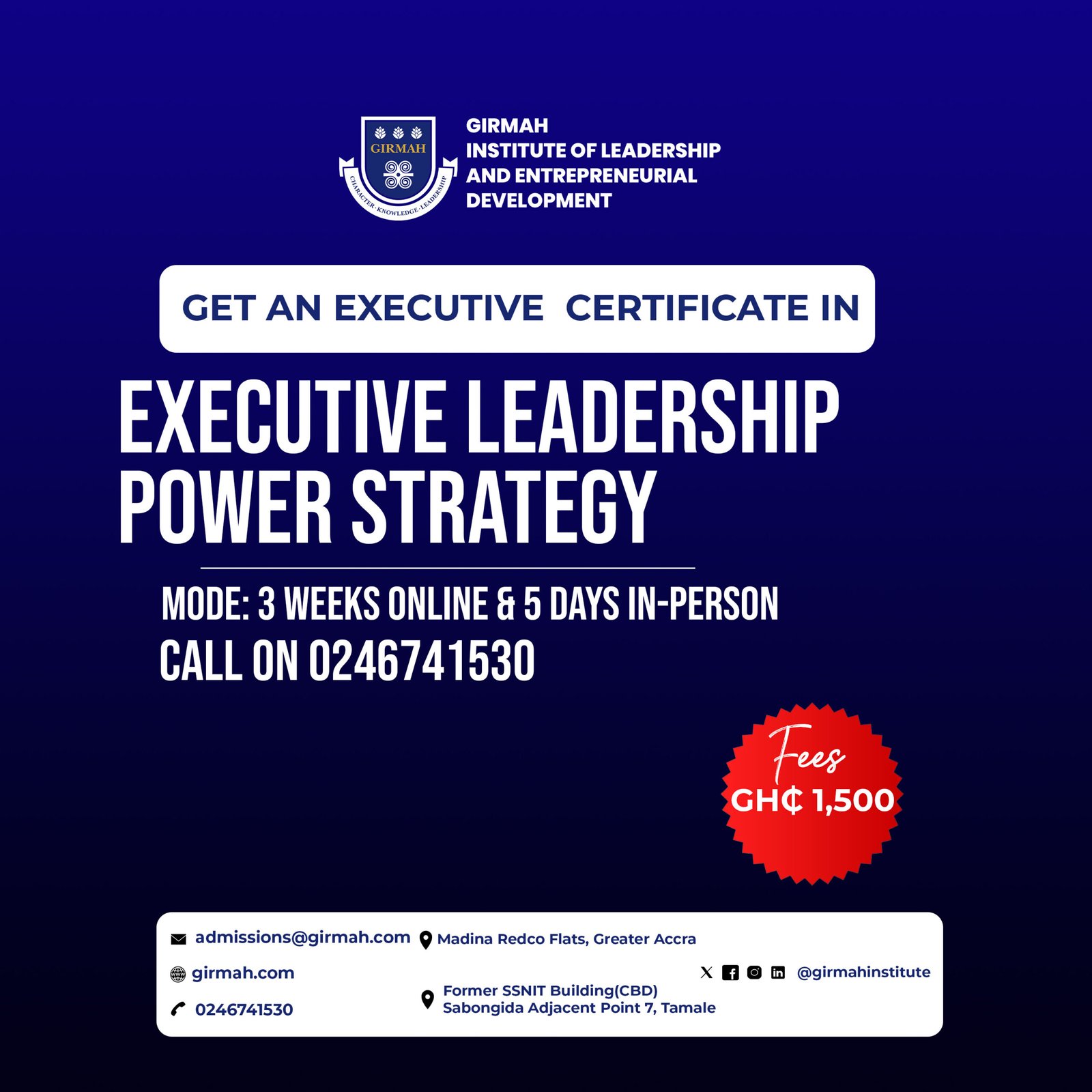
Executive Leadership Power Program
Designed for senior leaders who must lead with authority, influence complex stakeholders, and deliver results in high-pressure environments. This program equips executives with frameworks to build personal authority, exercise ethical power, strengthen executive presence, and lead transformation with credibility.
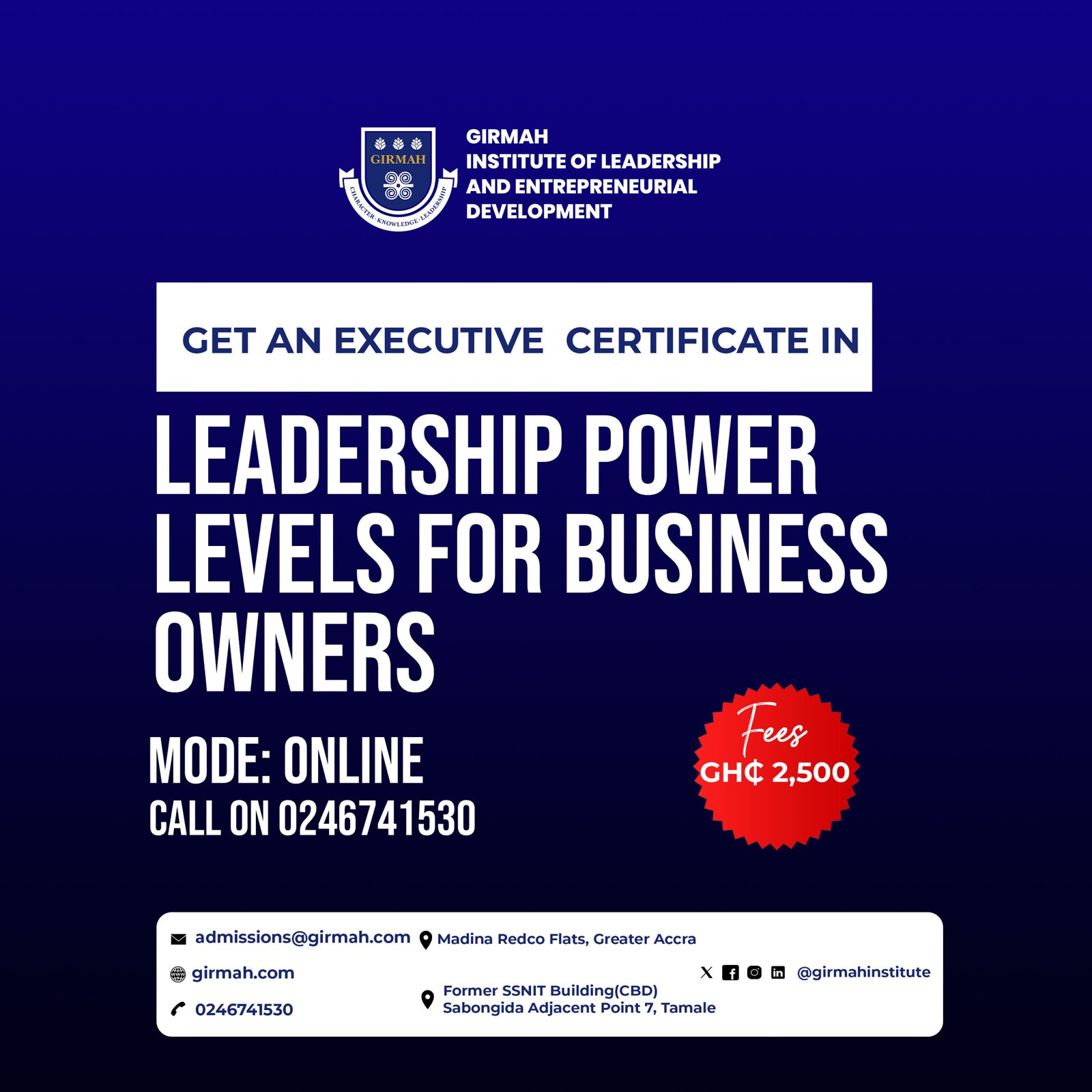
Leadership Power Levels for Business Owners
Business leadership is no longer defined by hard work alone—it depends on influence, systems, and strategic positioning. This program equips business owners and entrepreneurs with the tools to scale operations, build institutional leverage, dominate markets, and create enduring business legacies.
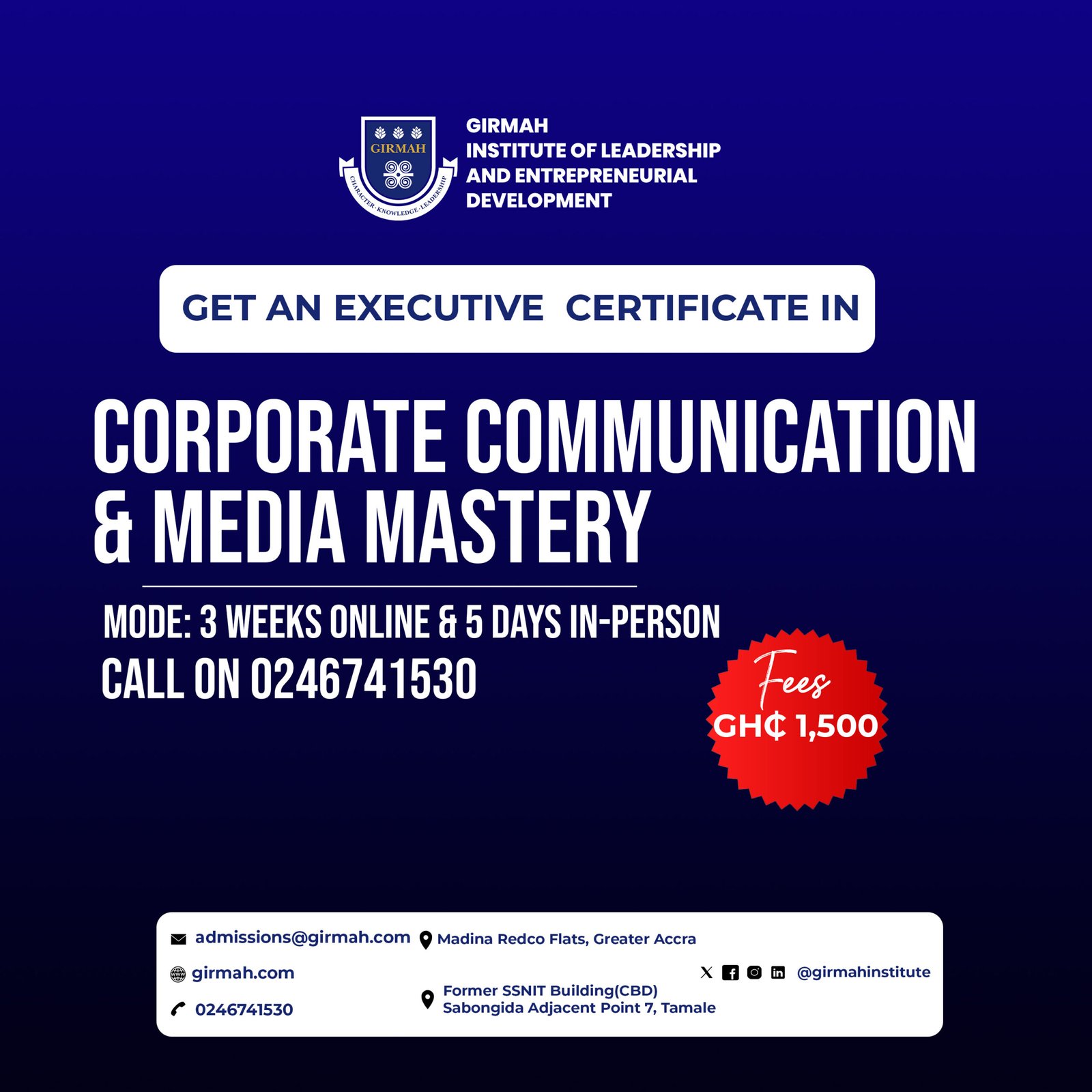
Corporate Communication & Media Mastery
Reputation, stakeholder trust, and market confidence are shaped by how leaders communicate—internally, publicly, and digitally. This program equips corporate leaders with skills to manage executive communication, engage media confidently, protect organizational reputation, and leverage AI tools for rapid response.
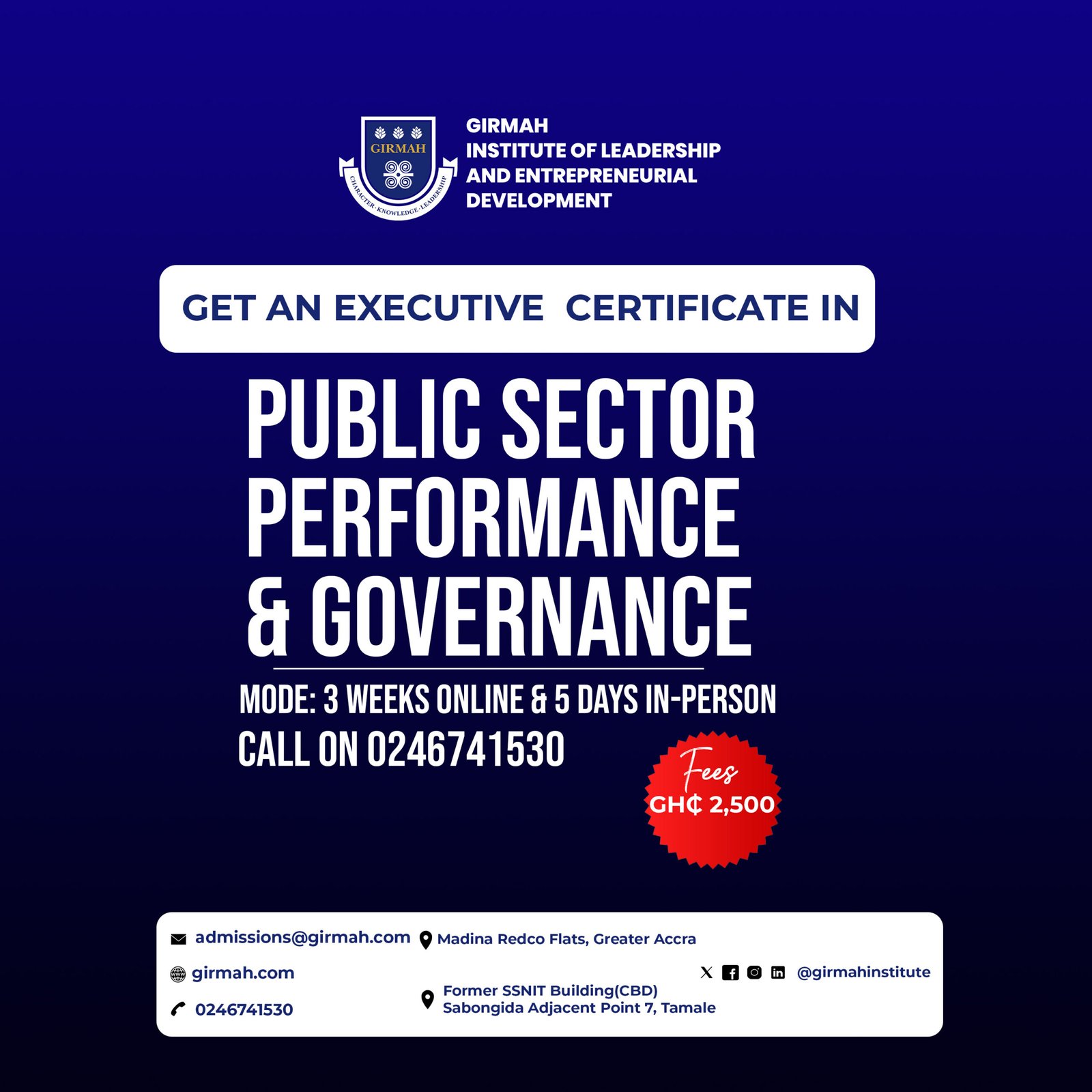
Public Sector Performance & Governance Program
Designed to strengthen leadership, accountability, and service delivery across government institutions. Equips public officials with practical tools, strategic mindset, and governance frameworks to improve institutional performance, enhance transparency, and deliver measurable results to citizens.
Local Government Performance Program
Designed to strengthen leadership, governance, planning, and service delivery at the district level. Equips local government officials with practical tools to improve institutional performance, enhance accountability, increase internally generated revenue, and deliver responsive, citizen-centered services.
Project Management
Develop the skills to plan, execute, monitor, and close projects on time and within budget. This program equips participants with practical project management frameworks, tools, and AI-enabled techniques to lead projects efficiently across diverse sectors and organisational contexts.
Pharmacy Administration & Management
With Artificial Intelligence Integration — Intensive Professional Development Program
Program Overview
Modern pharmacy practice extends beyond dispensing to regulatory compliance, financial sustainability, patient safety, supply chain efficiency, and digital transformation. Pharmacy leaders must also navigate regulatory requirements, insurance reimbursement systems, and emerging AI technologies that are reshaping pharmaceutical services.
This program equips pharmacists and pharmacy managers with administrative, managerial, regulatory, and AI-enabled leadership skills to operate efficient, ethical, and future-ready pharmacy institutions.
Who Should Attend
- Community and hospital pharmacists
- Pharmacy managers and proprietors
- Pharmaceutical administrators
- Regulatory and quality assurance officers
- Supply chain and procurement officers
- Early-career pharmacists preparing for leadership roles
- Pharmacy technician and MCAs
- Individual interested in pharmacy business
Learning Outcomes
By the end of the program, participants will be able to:
- Manage pharmacy operations effectively and ethically
- Ensure regulatory compliance and quality assurance
- Apply financial management and pricing strategies
- Manage pharmaceutical supply chains and inventory
- Integrate AI tools into pharmacy administration
- Improve patient safety, service delivery, and business performance
Modules
Theme: Leading Safe, Ethical & Compliant Pharmacy Services
Core Topics
- Introduction to pharmacy administration and management
- Roles and responsibilities of pharmacy managers
- Pharmacy governance and regulatory frameworks
- Licensing, accreditation, and compliance requirements
- Ethical pharmacy practice and professional conduct
- Patient safety, medication errors, and quality assurance
- Risk management in pharmacy operations
Case Studies
- Regulatory compliance failures in pharmacy practice
- Ethical dilemmas in community and hospital pharmacies
Key Skills Acquired
- Regulatory compliance
- Ethical leadership
- Quality and risk management
Theme: Running Efficient & Sustainable Pharmacy Operations
Core Topics
- Pharmacy workflow and operations management
- Inventory control and medicines management
- Procurement, supplier relations, and logistics
- Cold chain management and storage standards
- Pricing, costing, and reimbursement systems
- Financial management, budgeting, and cash flow
- Insurance claims and reimbursement processes
Case Studies
- Stock-outs and wastage prevention
- Financial mismanagement in pharmacy operations
Key Skills Acquired
- Operations management
- Financial literacy
- Supply chain efficiency
Theme: People, Processes & Performance Excellence
Core Topics
- Human resource management in pharmacy practice
- Staff scheduling, performance appraisal, and motivation
- Training and continuous professional development (CPD)
- Pharmacy Management Information Systems (PMIS)
- Electronic dispensing and record-keeping
- Patient service excellence and communication
- Monitoring, evaluation, and reporting
Case Studies
- Workforce productivity and retention challenges
- Digital record-keeping and data quality
Key Skills Acquired
- Team leadership
- Data-driven management
- Service quality enhancement
Theme: Leading Pharmacy Practice in the AI Era
Core Topics
- Introduction to AI and digital health in pharmacy
- AI applications in pharmacy administration:
- Demand forecasting and inventory optimization
- Prescription validation and error detection
- Claims review and fraud detection
- Patient adherence and engagement tools
- Telepharmacy and e-pharmacy models
- Data privacy, cybersecurity, and ethics
- Regulatory considerations for AI in pharmacy
- Change management and innovation leadership
Case Studies
- AI-enabled pharmacy systems
- Digital transformation of hospital pharmacies
Key Skills Acquired
- AI literacy
- Digital leadership
- Innovation management
Program Impact
Graduates emerge as:
- Competent pharmacy administrators
- Regulatory-compliant and ethical leaders
- Financially and operationally sound managers
- AI-aware innovators in pharmacy practice
Healthcare Entrepreneurship & Management
With Artificial Intelligence Integration — Intensive Professional Development Program
Program Overview
Healthcare is one of the fastest-growing sectors, yet one of the most complex to manage. Successful healthcare entrepreneurs must balance clinical quality, regulatory compliance, financial sustainability, patient experience, and innovation—while navigating rapid advances in digital health and AI.
This program equips participants with entrepreneurial mindset, management skills, and AI capabilities to start, scale, and sustainably manage healthcare ventures such as clinics, pharmacies, diagnostics centers, telehealth platforms, and health startups.
Who Should Attend
- Healthcare entrepreneurs and startup founders
- Medical, nursing, pharmacy, and allied health professionals
- Clinic and hospital owners/managers
- Health NGO and social enterprise leaders
- Investors and health sector innovators
- Aspiring healthcare business owners
Learning Outcomes
By the end of the program, participants will be able to:
- Design and validate healthcare business models
- Manage healthcare operations, finance, and compliance
- Deliver patient-centered and quality-driven services
- Navigate healthcare regulation and insurance systems
- Apply AI tools to healthcare management and entrepreneurship
- Develop scalable and ethical healthcare ventures
Modules
Theme: Building Viable Healthcare Ventures
Core Topics
- Introduction to healthcare entrepreneurship
- Opportunities and gaps in healthcare markets
- Healthcare value chains and service models
- Business model innovation in healthcare
- Regulatory and licensing frameworks
- Ethics, patient safety, and quality standards
- Social impact and inclusive healthcare models
Case Studies
- Successful healthcare startups in Africa
- Regulatory failures and lessons learned
Key Skills Acquired
- Entrepreneurial thinking
- Policy and regulatory awareness
- Ethical venture design
Theme: Managing for Quality, Efficiency & Sustainability
Core Topics
- Healthcare operations and service delivery models
- Facility and workflow management
- Healthcare financial management and costing
- Pricing strategies and revenue cycles
- Health insurance and reimbursement systems
- National Health Insurance Scheme (NHIS) engagement
- Cost control and efficiency strategies
Case Studies
- Clinic operations and turnaround strategies
- Insurance reimbursement challenges
Key Skills Acquired
- Operations management
- Financial discipline
- Insurance literacy
Theme: Building Teams and Trusted Healthcare Brands
Core Topics
- Leadership in healthcare settings
- Recruiting and managing clinical and non-clinical staff
- Performance management and staff retention
- Patient experience and service quality
- Marketing and branding for healthcare ventures
- Community engagement and trust-building
- Monitoring, evaluation, and KPIs
Case Studies
- Patient satisfaction and service failures
- Workforce challenges in healthcare
Key Skills Acquired
- Healthcare leadership
- Customer/patient experience
- Brand and growth management
Theme: Innovating and Scaling with AI
Core Topics
- Introduction to AI and digital health
- AI applications in healthcare entrepreneurship:
- Patient scheduling and triage systems
- Demand forecasting and inventory optimization
- Revenue cycle and claims automation
- Patient engagement and adherence tools
- Business intelligence and performance analytics
- Telemedicine and e-health platforms
- Data privacy, cybersecurity, and AI ethics
- Change management and digital transformation
Case Studies
- AI-powered health startups
- Telehealth and digital clinic models
Key Skills Acquired
- AI literacy
- Digital health leadership
- Innovation and scalability
Program Impact
Graduates emerge as:
- Competent healthcare entrepreneurs
- Quality- and ethics-driven managers
- Financially sustainable healthcare leaders
- AI-enabled innovators improving access and efficiency
Healthcare Administration & Management
With AI Integration — Intensive Professional Development Program
Program Overview
The Healthcare Administration and Management program equips students with the leadership, analytical, and operational skills to plan, coordinate, and manage healthcare services in diverse settings, such as pharmacies, clinics, hospitals, and insurance providers. Focusing on improving healthcare delivery and organizational performance while ensuring regulatory compliance, the program covers healthcare systems, health policy, finance, human resources, quality improvement, health information management and Health Informatics and health insurance Billing and Coding.
It emphasizes ethical decision-making, patient-centred care, and data-driven operations. Combining theory and practice, the program prepares graduates to tackle modern healthcare challenges like cost control and patient safety, enabling them to pursue entry- to mid-level management roles and advance professionally in the healthcare sector. Integration of artificial intelligence (AI) in promoting access, efficiency and quality makes the program unique.
Who Should Attend
- Community health nurses and midwives
- Registered nurses and midwives
- Physician Assistants
- Laboratory technicians and technologists
- Pharmacy Technicians and technologist, Pharmacists
- Healthcare facility managers
- Health facility owners
- Health insurance managers
- Health insurance billing agents/staff
- District health directors
- Sub-district health directors
- Medical superintendents
- Ward in charges
- NGO – Health program managers
- Clinical coordinators
Learning Outcomes
By the end of the program, participants will be able to:
- Explain the structure, roles, and functions of Ghana’s health system, including the Ministry of Health (MoH), Ghana Health Service (GHS), Teaching Hospitals, and allied agencies.
- Apply core management principles to the administration of public and private healthcare facilities in Ghana.
- Analyze health policies, strategic plans, and regulatory frameworks guiding healthcare delivery in Ghana.
- Demonstrate effective leadership and governance skills appropriate for health facilities at national, regional, district, and facility levels.
- Manage human resources for health in line with GHS staffing norms, motivation strategies, and performance management systems.
- Apply financial management principles, including budgeting, resource allocation, and cost control within the context of NHIS and public health financing.
- Utilize health information systems such as DHIMS2 and routine health data for planning, monitoring, and decision-making.
- Implement quality improvement, patient safety, and clinical governance practices in line with MoH and GHS standards.
- Identify and address challenges in healthcare delivery such as access, equity, efficiency, and sustainability within the Ghanaian context.
- Demonstrate ethical practice, accountability, and professionalism in healthcare administration and management roles.
- Apply AI and digital tools in health administration and decision-making
Modules
Theme: Managing Health Systems for Quality & Equity
Core Topics
- Introduction to health administration and management
- Structure of health systems (public & private)
- Health governance and policy environment
- Roles of MoH, GHS, Teaching Hospitals, Private Sector
- Leadership styles in healthcare settings
- Ethics, accountability, and patient rights
- Quality assurance and patient safety
Case Studies
- Health system organization in Ghana
- Hospital management successes and failures
- Ethical dilemmas in healthcare leadership
Key Skills Acquired
- Health leadership
- Governance & ethics
- Quality management
Theme: Financing Healthcare Sustainably
Core Topics
- Health economics and financing principles
- Sources of health financing (tax, insurance, donors, out-of-pocket)
- Overview of Ghana’s National Health Insurance Scheme (NHIS)
- NHIS benefit package and provider payment mechanisms
- Claims management and reimbursement processes
- Cost containment and efficiency strategies
- Equity, access, and financial protection
Case Studies
- NHIS implementation challenges and reforms
- Provider payment systems (DRG, itemized medicines)
- Fraud, abuse, and claims management issues
Key Skills Acquired
- Health financing literacy
- NHIS administration
- Budgeting & cost control
Theme: Running Efficient Health Institutions
Core Topics
- Health facility operations management
- Supply chain and logistics for medicines
- Human resource management in healthcare
- Workforce planning and performance management
- Health Management Information Systems (HMIS)
- Data quality, reporting, and use for decision-making
- Patient flow and service delivery optimization
Case Studies
- Hospital operations redesign
- Workforce shortages and retention strategies
- Digital health record systems
Key Skills Acquired
- Operations management
- HR leadership
- Health data utilization
Theme: Leading Healthcare in the Digital & AI Era
Core Topics
- Introduction to AI and digital health
- AI applications in health administration:
- Patient scheduling and triage
- Claims verification and fraud detection
- Resource allocation and forecasting
- Clinical decision support (administrative perspective)
- Telemedicine and e-health platforms
- Data governance, privacy, and cybersecurity
- Ethical and regulatory considerations for AI in healthcare
- Change management and digital transformation
Case Studies
- AI-enabled hospitals and health systems
- Digital NHIS claims and verification systems
- Telehealth implementation models
Key Skills Acquired
- Digital health leadership
- AI literacy
- Innovation management
Program Impact
Graduates emerge as:
- Competent health system managers
- NHIS-literate health leaders
- Data-driven and AI-aware administrators
- Reform-minded leaders improving access, efficiency, and quality
Educational Leadership & Management
With Artificial Intelligence Integration — Intensive Executive Development Program
Program Overview
Effective education systems require visionary leadership, strong management, accountability, and innovation. School leaders today must balance instructional excellence, staff management, student outcomes, policy compliance, and digital transformation—including the responsible use of Artificial Intelligence (AI).
This program equips current and aspiring education leaders with strategic, operational, and AI-enabled leadership skills to lead schools and education systems in the 21st century.
Who Should Attend
- Headteachers and principals
- School proprietors and administrators
- District and regional education officers
- University and TVET administrators
- Education policymakers and supervisors
- Aspiring school leaders
Learning Outcomes
By the end of the program, participants will be able to:
- Lead and manage schools and education institutions effectively
- Improve teaching, learning, and student outcomes
- Manage human, financial, and physical resources
- Apply education policy and governance frameworks
- Use AI and data tools to support leadership decisions
- Design ethical, inclusive, and future-ready education systems
Modules
Theme: Leading Schools with Vision, Ethics & Accountability
Core Topics
- Educational leadership theories and styles
- Vision-driven and values-based leadership
- Education governance and policy environment
- Roles of school leaders and governing bodies
- Ethics, professionalism, and accountability
- School culture, climate, and stakeholder engagement
- Equity, inclusion, and child protection
Case Studies
- Effective school leadership models
- Leadership failures and reform lessons
- Public vs. private school governance
Key Skills Acquired
- Visionary leadership
- Ethical governance
- Stakeholder management
Theme: Improving Teaching and Learning Outcomes
Core Topics
- Instructional leadership and learning improvement
- Curriculum planning and implementation
- Teacher recruitment, motivation, and retention
- Performance appraisal and professional development
- Student assessment and learning outcomes
- Inclusive education and special needs support
- Parent and community engagement
Case Studies
- High-performing schools and districts
- Teacher performance management reforms
- Curriculum innovation examples
Key Skills Acquired
- Instructional leadership
- Teacher development
- Student performance management
Theme: Running Efficient and Accountable Institutions
Core Topics
- School administration and operations management
- Education finance and budgeting
- Resource allocation and cost efficiency
- Infrastructure, safety, and facilities management
- Data-driven school management
- Monitoring, evaluation, and reporting
- Risk management and crisis leadership in schools
Case Studies
- School financial mismanagement cases
- Efficient resource utilization models
- Emergency response in education settings
Key Skills Acquired
- Financial management
- Operational efficiency
- Data utilization
Theme: Leading Education in the AI Era
Core Topics
- Introduction to AI and digital technologies in education
- AI applications for educational leadership:
- Student performance analytics
- Early-warning systems for dropout and failure
- Timetabling and resource optimization
- Teacher support and professional development
- Learning management systems (LMS)
- EdTech procurement and implementation
- Data privacy, ethics, and child protection in AI
- Change management and digital leadership
Case Studies
- AI-enabled schools and education systems
- Digital transformation in education ministries
- Ethical challenges of AI in schools
Key Skills Acquired
- AI literacy
- Digital leadership
- Innovation management
Program Impact
Graduates emerge as:
- Visionary and ethical education leaders
- Instructionally focused school managers
- Data-driven and AI-aware decision-makers
- Change leaders building future-ready schools
Youth Entrepreneurship Management
Innovate, Launch, Lead — With Artificial Intelligence Integration — Intensive Youth Professional Development Program
Program Overview
Young entrepreneurs are driving innovation, job creation, and social change—but many lack structured entrepreneurial skills, leadership capacity, and access to modern digital tools. This program empowers youth to innovate confidently, launch viable ventures, and lead with purpose, while leveraging AI tools to compete in today’s fast-changing economy.
The curriculum blends practical entrepreneurship, leadership development, ethics, and AI literacy, tailored specifically for youth-led startups and early-stage businesses. A capstone youth-led venture launch and AI-enabled growth plan is presented at the end.
Who Should Attend
- Aspiring youth entrepreneurs (18–35 years)
- University, TVET, and senior high graduates
- Youth-led startups and informal business owners
- Members of youth groups, cooperatives, and hubs
- Young innovators and social entrepreneurs
Learning Outcomes
By the end of the program, participants will be able to:
- Identify and validate business opportunities
- Design and launch viable youth-led ventures
- Manage finances, operations, and teams
- Lead ethically and responsibly
- Use AI tools for ideation, marketing, productivity, and decision-making
- Develop a clear growth and sustainability plan
Modules
Theme: From Ideas to Impact
Core Topics
- Youth entrepreneurship mindset and self-leadership
- Creativity, innovation, and problem-solving
- Opportunity identification in local and digital markets
- Design thinking for youth entrepreneurs
- Understanding customers and unmet needs
- Value proposition and social impact
- Ethics, integrity, and responsible entrepreneurship
Theme: Turning Ideas into Action
Core Topics
- Business registration and legal basics
- Business models and revenue streams
- Financial literacy for youth entrepreneurs
- Startup budgeting and cash flow management
- Pricing, costing, and break-even analysis
- Operations setup and basic systems
- Risk management and resilience
Theme: Leading People, Building Trust
Core Topics
- Youth leadership and self-confidence
- Team building and collaboration
- Communication and negotiation skills
- Branding and storytelling for youth businesses
- Sales, marketing, and customer acquisition
- Customer experience and retention
- Leadership ethics and accountability
Theme: Compete and Scale with AI
Core Topics
- Introduction to AI for youth entrepreneurs
- AI applications for youth-led ventures:
- Business idea refinement
- Digital marketing automation
- Customer service chatbots
- Financial tracking and forecasting
- Productivity tools
- E-commerce and digital platforms
- Data protection, cybersecurity, and AI ethics
- Scaling strategies and future opportunities
Program Impact
Graduates emerge as:
- Confident and ethical youth entrepreneurs
- Job creators and community innovators
- Financially literate and operationally sound founders
- AI-enabled digital business leaders
National SME Growth Accelerator
From Survival to Scale — Blended Executive Intensive Program
Program Overview
The National SME Growth Accelerator is a high-impact executive program designed to help small and medium-sized enterprises transition from survival to structured growth. This program equips business owners and SME executives with practical tools to increase revenue, improve operational efficiency, access financing, strengthen market positioning, and build scalable business structures.
A capstone Growth Strategy Presentation and Investment Readiness Pitch is delivered by each participant at the end of the program.
Who Should Attend
- SME owners and founders
- Managing Directors and CEOs of small and growing businesses
- Family business operators preparing for expansion
- Startups transitioning into growth-stage enterprises
- Women-led and youth-led businesses
- Export-oriented and manufacturing SMEs
- Agribusiness, retail, services, logistics, and technology entrepreneurs
- SME managers responsible for operations, finance, or business development
Learning Outcomes
By the end of the program, participants will be able to:
- Develop a clear growth strategy for their business
- Identify high-value market opportunities and competitive positioning
- Strengthen financial management and profitability
- Prepare their business for bank or investor financing
- Build efficient operational and management systems
- Implement customer acquisition and retention strategies
- Integrate digital tools for business growth
- Strengthen leadership capacity to manage expansion
Modules
Core Topics
- SME Growth Framework: From Survival to Scale
- Business Model Assessment and Optimization
- Market Analysis and Opportunity Mapping (Local & Export)
- Competitive Positioning and Value Proposition
- Strategic Goal Setting and Growth Roadmap
Output
- Business Health Diagnostic, 12–24 Month Growth Direction
Core Topics
- Financial Literacy for Growth-Oriented SMEs
- Cost Management, Pricing, and Profit Optimization
- Cash Flow Management and Working Capital Planning
- Preparing Financial Statements for Decision-Making
- Accessing Finance (Banks, Venture Capital, Grants, Government Schemes)
- Investor and Loan Readiness
Output
- Financial Growth Plan, Funding Strategy
Core Topics
- Operational Efficiency and Process Improvement
- Inventory, Supply Chain, and Quality Control
- Building Standard Operating Procedures (SOPs)
- Hiring, Team Structure, and Performance Management
- Digital Tools for SMEs (Accounting, Sales, CRM, E-commerce, Payments)
- Risk Management and Business Continuity
Output
- Operational Improvement Plan, Digital Adoption Roadmap
Core Topics
- Sales Strategy and Customer Acquisition
- Branding and Market Visibility
- Export Readiness and Market Expansion (Regional & International)
- Strategic Partnerships and Distribution Channels
- Leadership Mindset for Scaling Businesses
- Business Pitching and Growth Communication
Capstone
- Growth Blueprint Presentation, Investor/Bank Readiness Pitch
Program Impact
Graduates emerge with:
- Clear, actionable growth strategy
- Improved financial discipline and profitability
- Increased readiness for funding and partnerships
- Stronger operational systems and team structure
- Increased sales and market reach
- Enhanced leadership confidence and strategic thinking
Executive Leadership Power Program
Lead with Authority, Influence with Integrity — Blended Executive Intensive Program
Program Overview
The Executive Strategic Leadership Power Program is designed for senior leaders who must lead with authority, influence complex stakeholders, and deliver results in high-pressure environments. This program equips executives with the practical frameworks to build personal authority, exercise ethical power, strengthen executive presence, manage political and organizational dynamics, and lead transformation with credibility.
A capstone Personal Leadership Power Strategy and Executive Influence Presentation is developed by each participant.
Who Should Attend
- CEOs, Managing Directors, and Senior Executives
- Directors, Deputy Directors, and Heads of Department
- Senior Managers preparing for executive roles
- Public sector and local government leaders
- Political and policy leaders
- Institutional and NGO executives
- Entrepreneurs leading growing organizations
- Professionals transitioning into strategic leadership positions
Learning Outcomes
By the end of the program, participants will be able to:
- Understand and apply different sources of leadership power and influence
- Strengthen executive presence, credibility, and authority
- Navigate organizational politics and stakeholder dynamics effectively
- Make strategic decisions under uncertainty and pressure
- Communicate with influence at board and executive levels
- Build high-performance leadership teams
- Lead change, reform, and transformation initiatives
- Develop a personal leadership brand and visibility strategy
Modules
Core Topics
- The Power Framework (Authority, Influence, and Legitimacy)
- Sources of Leadership Power (Position, Expertise, Relationships, Reputation)
- Executive Presence (Confidence, Communication, and Command)
- Emotional Intelligence and Leadership Self-Mastery
- Ethical Power and Integrity in Leadership
- Personal Leadership Assessment and 360° Reflection
Output
- Personal Power Assessment, Executive Presence Development Plan
Core Topics
- Understanding Organizational and Institutional Power Structures
- Stakeholder Mapping and Influence Strategy
- Managing Organizational Politics with Integrity
- Negotiation and Conflict Management at Executive Level
- Leading Upward: Influencing Boards, Ministers, and Senior Authorities
- Building Strategic Alliances and Networks
Output
- Stakeholder Influence Map, Executive Influence Strategy
Core Topics
- Strategic Decision-Making in Complex Environments
- Leading Change, Reform, and Organizational Transformation
- Building and Leading High-Performance Executive Teams
- Leadership Communication: Speaking with Authority and Clarity
- Personal Leadership Brand, Visibility, and Thought Leadership
- Legacy Thinking: Institutional Impact and Sustainability
Capstone
- Personal Leadership Power Blueprint, Executive Impact Presentation
Program Impact
Graduates emerge with:
- Stronger authority and executive confidence
- Increased influence in decision-making spaces
- Improved stakeholder management and negotiation capability
- Greater visibility and professional credibility
- Enhanced ability to lead change and complex initiatives
- Clear personal leadership strategy for career and institutional impact
Leadership Power Levels for Business Owners
From Entrepreneurial Survival to Untouchable Business Leadership — Online Executive Program
Program Overview
Business leadership is no longer defined by hard work alone—it depends on influence, systems, and strategic positioning. This program equips business owners and entrepreneurs with the tools to scale operations, build institutional leverage, dominate markets, and create enduring business legacies.
Participants assess their Leadership Power Level and develop a strategic roadmap to advance to the next level of business leadership.
Who Should Attend
- Small to medium enterprise owners seeking scale
- Serial entrepreneurs
- Family business leaders
- Startup founders preparing for growth and investment
- CEOs, Managing Directors, or Executive Directors
- Business consultants and advisors supporting entrepreneurial growth
Learning Outcomes
By the end of the program, participants will be able to:
- Assess their current Leadership Power Level within the business ecosystem
- Build credibility and influence with customers, partners, and investors
- Leverage teams, systems, and capital for exponential growth
- Strategically position their business in competitive markets
- Influence industry and market trends
- Design business models for long-term sustainability and legacy
Modules
Core Topics
- Business Power Dynamics — The six Leadership Power Levels; Sources of business power; Self-assessment
- Level 1 — Survival & Operational Excellence: Efficient operations, cash flow, customer retention, basic governance
- Level 2 — Credibility & Market Reputation: Personal and brand credibility, strategic marketing, positioning for partnerships
- Level 3 — Strategic Awareness & Systems Thinking: Market analysis, strategic planning, asset allocation, building passive income systems
- Strategy Lab: Group coaching, opportunity mapping, peer strategy sessions
Core Topics
- Level 4 — Institutional Leverage: Delegation, team building, strategic partnerships, accessing capital and investor networks
- Level 5 — Market Dominance: Brand authority, negotiating large deals, industry association influence, strategic acquisitions
- Level 6 — Legacy & Structural Power: Diversification, holding structures, succession planning, philanthropy and public influence
- Executive Leadership Skills: Decision-making under uncertainty, crisis leadership, executive presence and authority
Program Impact
Graduates emerge as:
- Confident, strategic business leaders
- Owners capable of scaling without personal dependence
- Market influencers with strong reputation
- Resource-savvy and investor-ready
- Leaders capable of building lasting businesses with enduring value
Corporate Communication & Media Mastery
Intensive Executive Development Program — Online + 5 Days In-Person
Program Overview
In today’s corporate environment, reputation, stakeholder trust, and market confidence are shaped by how leaders communicate—internally, publicly, and digitally. This program equips corporate leaders with the skills to manage executive communication, engage media confidently, protect organizational reputation, and leverage AI tools to enhance messaging, monitor sentiment, and respond rapidly to emerging risks.
Who Should Attend
- CEOs, Managing Directors, and Senior Executives
- Corporate Affairs and Communications Managers
- Public Relations and Media Relations Officers
- Heads of HR and Internal Communications
- Brand and Marketing Directors
- Entrepreneurs and Business Owners
- Institutional Leaders and Spokespersons
Learning Outcomes
By the end of the program, participants will be able to:
- Communicate corporate strategy clearly to internal and external stakeholders
- Represent their organization confidently in media engagements
- Develop executive messaging aligned with brand and business objectives
- Manage corporate crises and reputational risks effectively
- Use AI tools for content creation, media monitoring, and sentiment analysis
- Design a digital and media communication strategy for sustained influence
Modules
Module 1: Corporate Communication Strategy & Executive Messaging
- Role of communication in corporate strategy and governance
- Stakeholder mapping and engagement
- Executive presence and leadership communication
- Message architecture and consistency
- Communicating financial performance, change, and organizational vision
- Internal communication during transformation and uncertainty
Module 2: Media Relations & Interview Mastery
- Understanding the business media ecosystem
- What journalists look for in corporate stories
- Preparing for earnings calls, press briefings, and interviews
- Bridging, flagging, and key message reinforcement
- Handling difficult questions
- On-camera confidence, voice control, and non-verbal communication
Module 3: Crisis Communication & Corporate Reputation Management
- Types of corporate crises
- Crisis lifecycle (prevention, preparedness, response, recovery)
- Building a crisis communication framework
- Writing holding statements and executive responses
- Managing misinformation, leaks, and stakeholder panic
- Transparency, accountability, and ethical communication
Module 4: Digital Communication, Social Media & AI-Driven Influence
- Corporate branding and leadership visibility online
- Platform strategies (LinkedIn, X, Facebook, YouTube, corporate websites)
- Content strategy for thought leadership
- Managing online criticism, misinformation, and coordinated attacks
- Social listening and performance analytics
- Aligning marketing, PR, and executive communication
Program Impact
Graduates emerge as:
- Media-ready corporate leaders
- Strategic communicators aligned with business goals
- Crisis-resilient executives
- AI-enabled communication decision-makers
- Trusted organizational spokespersons with strong digital presence
Public Sector Performance & Governance Program
A Flagship Executive Program — GIRMAH Institute of Leadership & Entrepreneurial Development
Program Overview
The Public Sector Performance & Governance Program is designed to strengthen leadership, accountability, and service delivery across government institutions. The program equips public officials with the practical tools, strategic mindset, and governance frameworks required to improve institutional performance, enhance transparency, and deliver measurable results to citizens.
Who Should Attend
- Directors and Deputy Directors in Ministries, Departments, and Agencies (MDAs)
- Metropolitan, Municipal, and District Assembly (MMDA) officials
- Heads of units and departmental managers
- Public sector project and program managers
- Policy officers and administrative leaders
- State-owned enterprise managers
- Regulatory and oversight body staff
Learning Outcomes
By the end of the program, participants will be able to:
- Lead teams with a stronger performance and accountability culture
- Design and implement performance management systems
- Improve efficiency and service delivery processes
- Strengthen governance and compliance practices
- Manage public resources more effectively
- Navigate complex stakeholder and political environments
- Implement practical reforms within their institutions
Modules
Core Topics
- Leadership responsibilities in the public sector
- Integrity, accountability, and ethical decision-making
- Managing power, authority, and public trust
- Building a performance culture
Core Topics
- Setting institutional goals and KPIs
- Performance contracts and scorecards
- Monitoring and evaluation systems
- Using data for decision-making
Core Topics
- Budget planning and execution
- Financial controls and compliance
- Value-for-money and cost efficiency
- Managing audit risks and findings
Core Topics
- Translating policy into action
- Identifying bottlenecks and removing barriers
- Process improvement and service redesign
- Citizen-centered service delivery
Core Topics
- Institutional governance structures
- Risk identification and mitigation
- Internal controls and anti-corruption frameworks
Core Topics
- Managing political and administrative stakeholders
- Community engagement strategies
- Managing public expectations and complaints
- Crisis communication in public institutions
Program Impact
Graduates emerge as:
- Stronger, more accountable public sector leaders
- Performance-driven institutional managers
- Governance and compliance champions
- Leaders who deliver more responsive and efficient public services
Project Management
With Artificial Intelligence Integration — Intensive Professional Development Program
Program Overview
Effective project management is a critical competency across every sector—whether in business, government, healthcare, or NGOs. This program equips participants with practical project management frameworks, tools, and AI-enabled techniques to plan, execute, monitor, and close projects on time and within budget.
Participants gain hands-on skills in project planning, resource management, risk mitigation, stakeholder communication, and digital tools—preparing them to manage real-world projects with confidence and competence.
Who Should Attend
- Project managers and team leaders
- Government and public sector program officers
- NGO and development program managers
- Business owners managing multiple initiatives
- Engineers, construction, and infrastructure professionals
- Healthcare administrators managing health projects
- Aspiring project managers across all sectors
Learning Outcomes
By the end of the program, participants will be able to:
- Apply project management frameworks (PMI, Agile, hybrid approaches)
- Develop comprehensive project plans, timelines, and budgets
- Manage project risks, issues, and changes effectively
- Lead and coordinate project teams and stakeholders
- Use digital tools and AI to improve project efficiency
- Monitor, evaluate, and report on project progress and outcomes
Modules
Theme: Setting Projects Up for Success
Core Topics
- Introduction to project management (PMI, PRINCE2, Agile)
- Project lifecycle and governance
- Defining project scope, objectives, and deliverables
- Work Breakdown Structure (WBS) and project scheduling
- Resource planning and budget development
- Stakeholder identification and engagement planning
- Risk identification, assessment, and mitigation
Theme: Delivering Results on Time and on Budget
Core Topics
- Project execution and team coordination
- Progress tracking and performance measurement
- Earned Value Management (EVM) and KPIs
- Change management and scope control
- Issue resolution and escalation frameworks
- Procurement and vendor management
- Quality assurance in project delivery
Theme: Communicating, Closing, and Capturing Lessons
Core Topics
- Stakeholder communication and reporting strategies
- Writing progress reports, status updates, and dashboards
- Project closure: handover, documentation, and sign-off
- Lessons learned and post-project evaluation
- AI and digital tools in project management:
- AI-assisted scheduling and resource optimization
- Project management platforms (Asana, Trello, MS Project)
- Automated reporting and analytics
- Risk forecasting with AI
- Agile and hybrid project methodologies
Program Impact
Graduates emerge as:
- Competent and structured project managers
- Effective team leaders and stakeholder communicators
- Risk-aware and results-focused project professionals
- AI-enabled project practitioners ready for complex delivery environments
Local Government Performance Program
Capacity-Building for Metropolitan, Municipal and District Assembly (MMDA) Leaders
Program Overview
The Local Government Performance Program is designed to strengthen leadership, governance, planning, and service delivery at the district level. The program equips local government officials with practical tools to improve institutional performance, enhance accountability, increase internally generated revenue (IGR), and deliver responsive, citizen-centered services.
Who Should Attend
- Metropolitan, Municipal and District Chief Executives (MMDCEs)
- District Coordinating Directors (DCDs)
- Heads of Departments and Units within MMDAs
- Budget, Planning, and Finance Officers
- Works Engineers and Physical Planning Officers
- Local Government Service officials
- Assembly members and key administrative staff
Program Objectives
- Strengthen leadership and management capacity at the district level
- Improve planning, budgeting, and project implementation
- Increase Internally Generated Funds (IGF/IGR)
- Enhance financial accountability and compliance
- Improve service delivery and citizen engagement
- Strengthen monitoring, evaluation, and reporting systems
- Improve performance under national assessment frameworks (e.g., DPAT)
Modules
Core Topics
- Roles and responsibilities under decentralization
- Political-administrative relationship management
- Ethical leadership and accountability
- Building a performance culture in MMDAs
Core Topics
- Medium-Term Development Planning (MTDP)
- Linking community needs to development priorities
- Project selection and prioritization
- Managing donor and government-funded projects
Core Topics
- Budget preparation and execution
- Financial controls and audit readiness
- Procurement compliance
- Managing audit queries and financial risks
Core Topics
- Identifying new revenue sources
- Property rate and fee optimization
- Revenue administration systems and digitization
- Strategies to reduce leakages and improve collection efficiency
Core Topics
- Improving basic services at the district level
- Process improvement and turnaround time reduction
- Infrastructure maintenance
- Citizen-focused service standards
Core Topics
- Developing district performance indicators
- Data collection and reporting
- Performance reviews and management dashboards
- Preparing for national performance assessments
Core Topics
- Community participation and stakeholder consultation
- Managing public complaints and feedback
- Transparency and public communication
- Social accountability mechanisms
Program Impact
Graduates emerge as:
- More effective district-level leaders and coordinators
- Financially accountable and revenue-generating MMDA managers
- Data-driven administrators improving DPAT scores
- Citizen-responsive local government leaders building stronger communities